Why I'm Not Worried About the AI Bubble
A colleague recently raised concerns about the AI bubble. With massive investments pouring into anything AI-related and uncertain returns, his worry felt reasonable. I didn’t have a good counter-argument at the time.
Then I heard IBM CEO Arvind Krishna frame it differently. He pointed to the dot-com era: yes, 8 out of 10 heavily-invested companies went bankrupt. But would anyone say the Internet failed to deliver on its promise? Amazon and Google alone have probably paid for all the capital invested during that period. And the failed companies? Their assets didn’t vanish—they were acquired at ten cents on the dollar by others who built successful businesses on that foundation.
Krishna sees this as a strength of the US capital system. Other countries desperately try to keep all companies alive, diluting resources across zombies. The US lets failures fail. The system works.
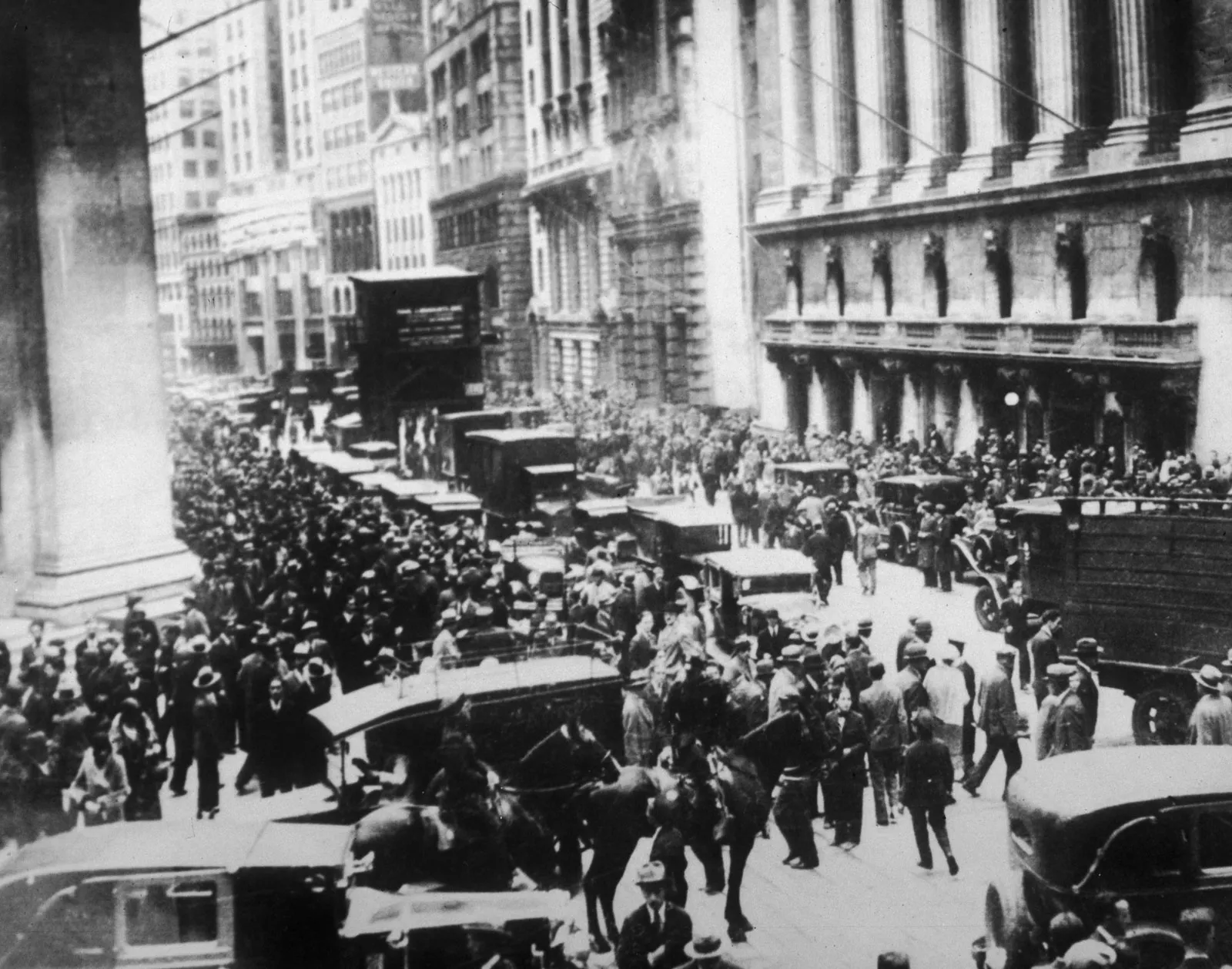
This pattern isn’t new. The Railway Mania of the 1840s saw wild speculation and mass bankruptcies, yet it built 6,220 miles of British rail infrastructure. The 1920s electrification boom crashed spectacularly—the Dow Utilities index fell from 144 to 17—but by 1930, nearly 90% of American urban homes had electricity. Each bubble built lasting infrastructure that outlived the financial carnage.
The mechanism is consistent: mania attracts capital, capital builds infrastructure, bust makes that infrastructure cheap. The railways still run. The power grid still hums. The Internet still connects us.
AI will follow the same path. There will be tears. Many companies will fail. But the infrastructure—the data centers, the trained models, the tooling—will remain. And it will be cheaper for everyone who comes after.
Let the system work.
Source: Arvind Krishna’s interview on Spotify