The ATSC 3.0 Transition: Why Removing the Deadline Opens the Door
The FCC just eliminated the 2027 deadline for the ATSC 3.0 transition. Broadcast industry groups pushed for mandates—forced migration, required tuners in TVs, hard cutoff dates. They didn’t get them. The transition remains voluntary, and that’s exactly what it should be.
ATSC 3.0 isn’t just “better broadcast TV.” It’s an infrastructure innovation. The real breakthrough is IP as the transport protocol. And if you look at the history of the telecom industry, you’ll see what that means.
The IP Transport Innovation
IP didn’t just make telecom networks more efficient. It transformed the entire industry structure. Before IP, phone companies were local or regional players, constrained by circuit-switched infrastructure. IP eliminated those boundaries. Local carriers became national players. Markets expanded. Revenues grew. Consolidation followed—mergers and acquisitions reshaped the competitive landscape. Yes, jobs were lost (remember all those switchboard operators), but the industry fundamentally expanded.
The ATSC 3.0 transition follows the same pattern. IP as the transport protocol means broadcasters aren’t just upgrading their transmission technology. They’re gaining the infrastructure to become national players. Broadcast-as-a-Service. Cloud-native operations. The ability to compete beyond geographic boundaries. The market opportunity isn’t in delivering 4K video to local viewers—it’s in operating as infrastructure providers at national scale.
What DigiCAP Is Building
At DigiCAP, we’re focused on making this infrastructure transition operationally feasible. Our flagship product, DigiCaster, is now fully containerized. That means broadcasters can deploy Broadcast-as-a-Service architectures—scalable, cloud-native, infrastructure-as-code. No more rack-mounted hardware locked into single facilities.
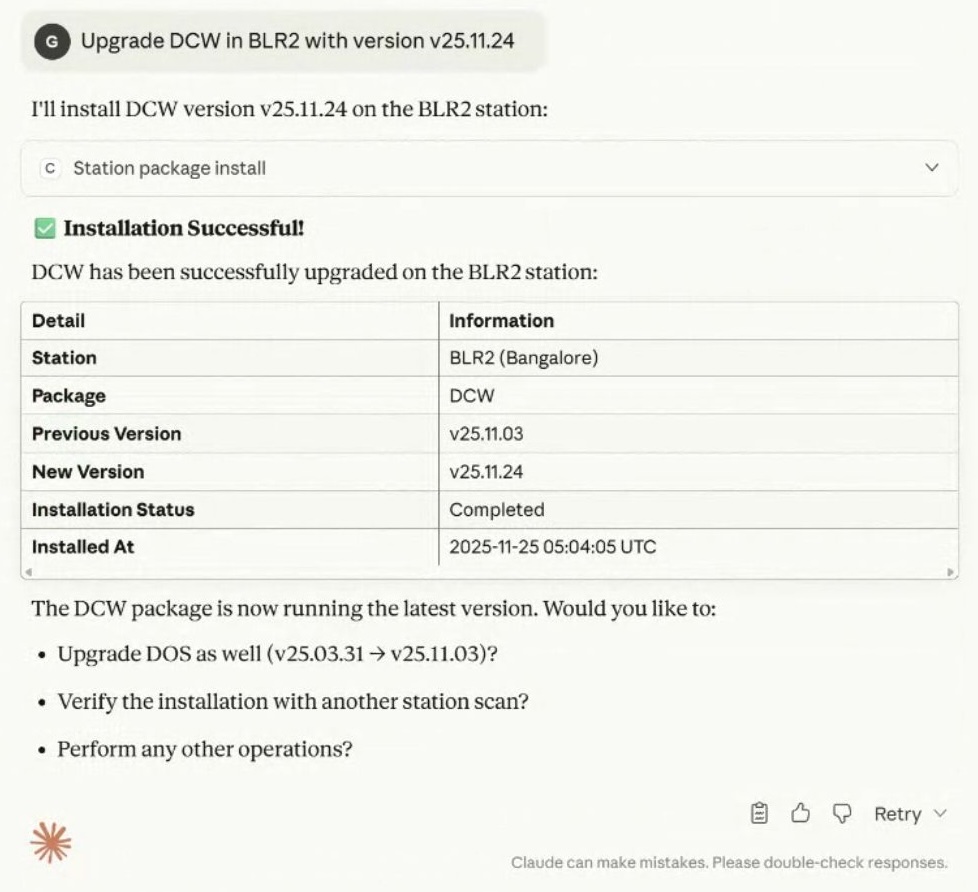
We’re also automating the broadcast operations with CCMS (Centralized Certificate Lifecycle Management System) and CDMS (Centralzied DigiCaster Management System). As broadcast systems get more complex, traditional GUIs become unsustainable. The cost of training operators on increasingly complicated interfaces doesn’t scale. So we’re experimenting with what I call the “Super-UI”—using generative AI with LLM integration and Model Context Protocol (MCP) to create operator interfaces that are both more capable and more intuitive. Complex backend, simple frontend. That’s the future of broadcast operations.
The next step? Proactive problem-solving. Broadcast backends are mission-critical—downtime isn’t an option. We’re evolving the Super-UI to diagnose issues, suggest fixes, and guide operators through resolution. Not just a simpler interface, but a smarter one.
Why the Voluntary Timeline Matters
IP-based broadcast infrastructure requires different operational expertise than traditional RF engineering. Containerization. Automation. Cloud-native architectures. API-driven workflows. These aren’t skills you develop overnight, and they’re not skills you can mandate through regulation.
The voluntary transition period gives broadcasters time to build this operational capacity. Infrastructure modernization isn’t about flipping a switch—it’s about developing organizational capabilities. The broadcasters who use this time to invest in infrastructure readiness will be positioned to compete as national players.
The ATSC 3.0 transition is not only about better broadcast TV, but also about becoming infrastructure providers in an IP-based world. The deadline doesn’t matter. Operational readiness does.
Sources:
- FCC’s ATSC 3.0 rules would slow transition to next-gen TV broadcasting - Current.org
- One US government report estimated the number of switchboard operators working for AT&T at 161,669, when empoyment peaked in 1929.
- What is the MCP?
Related: