The Interactive Television Paradox: How YouTube Delivered What Broadcasters Couldn't
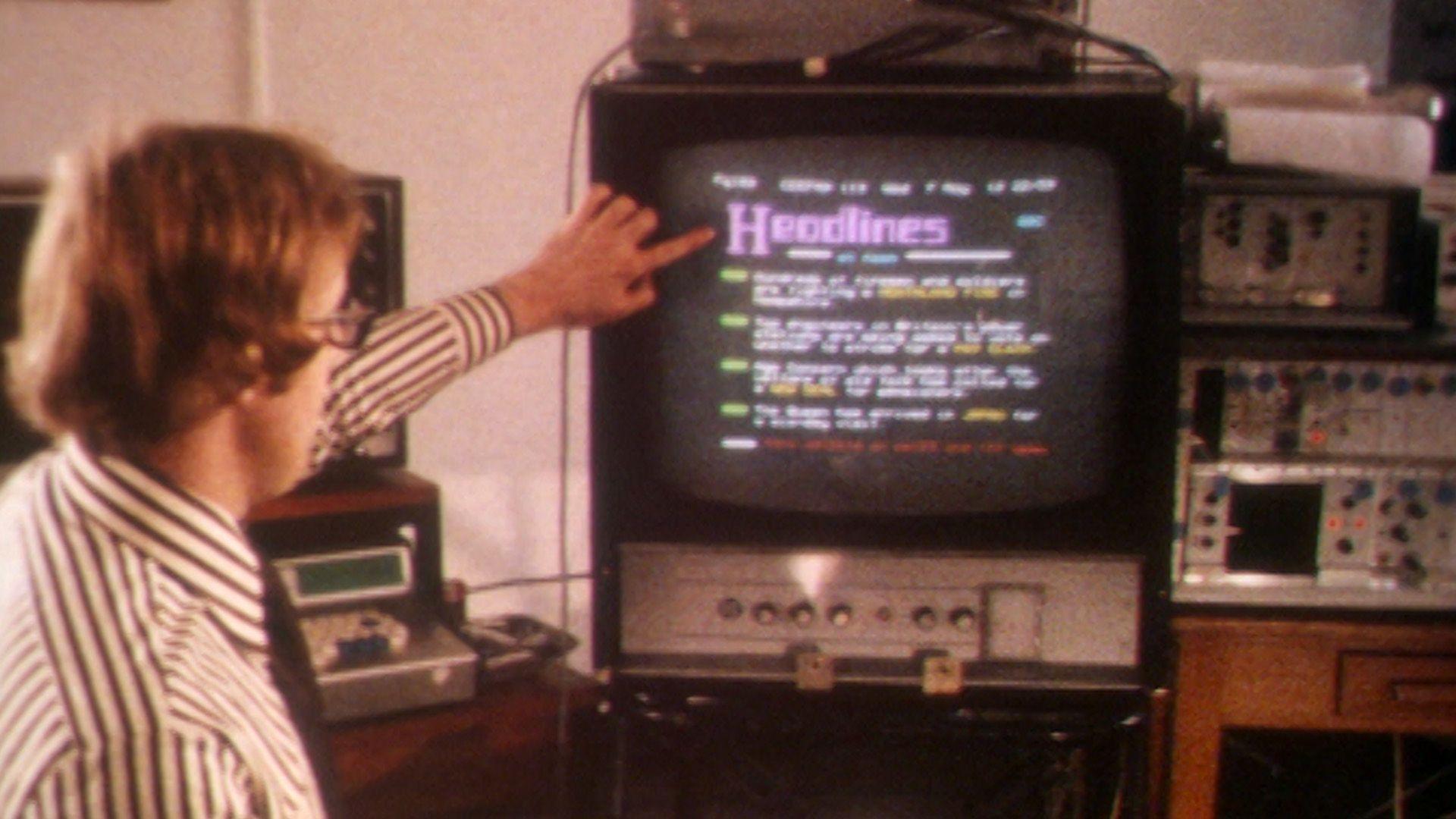
For decades, broadcasters chased the dream of interactive television. They tried everything: apps embedded in MPEG transport streams, middleware platforms, companion screens, red-button services. Countless standards emerged—MHP, HbbTV, ATSC 3.0 applications—each promising to transform passive viewing into active engagement.
None of them succeeded at scale.
The irony? Interactive television finally became reality, but not where broadcasters expected. It happened on YouTube.
The Dream vs. The Reality
Watch any live YouTube stream. The creator reads comments in real-time, answers questions, changes direction based on viewer feedback. Someone suggests a topic—the streamer pivots. Viewers vote on decisions. The chat influences what happens next, live, as it unfolds.
This is the interactive television broadcasters imagined. Not apps running alongside content. Not voting on pre-determined outcomes. Real-time, bidirectional, responsive content creation shaped by audience participation.
Broadcasters built elaborate technical infrastructure trying to achieve this. YouTube just needed a chat box and creators willing to listen.
Why Broadcasters Failed
The problem wasn’t technical capability. Broadcasters had the technology to enable interactivity. What they lacked was the right model.
Traditional broadcasting is fundamentally one-to-many. A network creates content, transmits it, and millions receive the same thing. Interactivity was bolted on as a feature—an afterthought to the core broadcast model.
YouTube inverted this. The platform made interactivity the foundation, not the feature. Content isn’t broadcast to passive recipients; it’s created in conversation with an active community.
The Medium vs. The Service
This reveals something crucial: broadcasting as a medium remains relevant, but broadcasting as a television service model is fading.
The medium—one transmitter reaching many receivers efficiently—still has value for live events, emergencies, and bandwidth-constrained scenarios. But the service model—networks controlling what, when, and how content is consumed—lost to internet streaming’s flexibility and interactivity.
Broadcasters spent resources trying to make their service model interactive when the internet had already solved it differently. They asked “How do we add interactivity to broadcasting?” when they should have asked “What role does broadcast infrastructure play in an interactive media landscape?”
The Path Forward
YouTube, Netflix, and streaming services didn’t make broadcasting obsolete—they made the traditional television service model obsolete. The distinction matters.
Smart broadcasters will stop trying to recreate YouTube on ATSC 3.0 or HbbTV. Instead, they’ll recognize what broadcasting does uniquely well: efficient, reliable, one-to-many distribution. That’s infrastructure, not a service.
The interactive television paradox is complete: the industry that invented television couldn’t deliver interactive TV because they were too focused on preserving television as they knew it. YouTube succeeded because it never tried to be television at all.
Sometimes the future of your medium means accepting it’s no longer your service.